
Training Your Dog for Solo Time: A Step-by-Step Guide to Independence
Apr 23,2024 | Shenzhen Dudu Pet Products Co., Ltd.
Introduction to Solo Time Training
For dog owners balancing a full-time job and the responsibility of a canine companion, creating a harmonious situation where your dog can stay calm and happy alone is essential. Training your dog to handle solo time gracefully is not just about convenience; it's about preventing separation anxiety, a common issue that can affect even the most well-adjusted pets.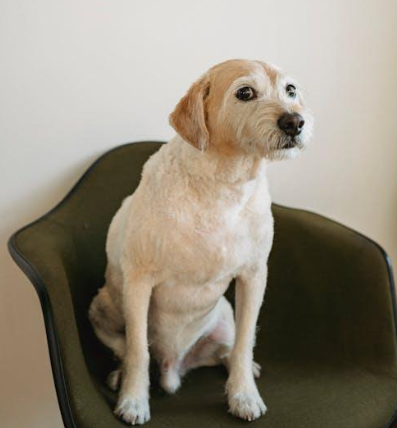
Why Solo Time Training Matters
- Prevents Separation Anxiety: Training helps your dog feel secure even when you're not around, preventing the development of separation anxiety.
- Builds Confidence: A dog comfortable with being alone is typically more confident and less prone to stress-induced behaviors.
Step 1: Establish a Safe and Comfortable Space
Objective: Create a dedicated space where your dog feels secure and can relax in your absence.
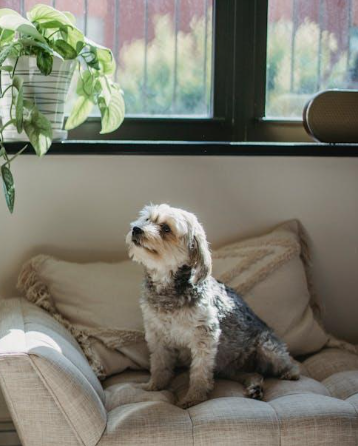
- How to Achieve This: Choose a quiet area in your home, such as a corner with a dog bed, a crate, or a room where your dog can unwind without feeling isolated. Ensure this area is equipped with their favorite toys and blankets to provide comfort.
![]()
Step 2: Introduce Mental and Physical Stimulation
Objective: Keep your dog engaged and entertained to prevent boredom and anxiety.
- Mental Stimulation: Offer puzzle toys and interactive games that challenge your dog's mind.
- Physical Activity: Ensure your dog gets plenty of exercise before you leave, such as a long walk or playtime, to help them relax while you're away.
Step 3: Foster a Connection Even When You're Not There
Objective: Use technology to maintain a connection with your dog, making them feel less alone.
- How to Achieve This: Consider a smart pet feeder like Dudupet, which allows you to record your voice and schedule feeding times. This can provide a sense of your presence and maintain a feeding routine.
Step 4: Gradually Acclimate Your Dog to Being Alone
Objective: Slowly get your dog used to the idea of being alone without causing stress or anxiety.
- How to Achieve This: Start with very short absences (as little as 5 minutes) and gradually increase the duration as your dog becomes more comfortable. Mimic your usual departure cues (like picking up keys and putting on your coat) to help your dog understand that you will return.
Step 5: Use Positive Reinforcement
Objective: Reward calm and desired behaviors to reinforce that being alone is a positive experience.
- How to Achieve This: Treats, praise, and extra attention when you return can all serve as rewards for your dog's calm behavior during and after your absences.
Conclusion: The Path to Independence
Training your dog to be comfortable alone is a testament to your dedication to their well-being. It's about creating a safe, engaging environment that reassures your dog in your absence. Remember, consistency, patience, and positive reinforcement are key to successful solo time training. Share your experiences and tips with the community to help others navigate this important aspect of dog ownership.